
Nursing jobs, where superheroes wear scrubs instead of capes, are the unsung heroes of the healthcare realm. These mighty nurses not only wield stethoscopes but also a unique blend of compassion, skill, and perhaps an uncanny ability to decipher a patient’s cryptic cough. Whether you’re eyeing a cozy home health gig or gearing up for a bustling hospital setting, the world of nursing is as diverse as it is rewarding, offering roles that cater to every shade of medical expertise.
In this discussion, we’ll dive into the fascinating ocean of nursing job roles, explore the educational requirements that mold these professionals, and uncover the exciting trends that define the future of nursing in various healthcare environments. Grab your scrubs and let’s navigate through the heart of healthcare!
Nursing Jobs Overview
Nursing is not just a career; it’s a calling that requires compassion, resilience, and a sprinkle of humor to keep those long shifts bearable. With various roles available, nursing offers a panorama of opportunities across different healthcare settings, from hospitals to schools, and even cruise ships (yes, you can nurse while exploring the high seas!). Understanding the landscape of nursing jobs is essential for aspiring nurses and healthcare professionals alike.The nursing profession is diverse, offering a range of roles each with its own set of responsibilities, required skills, and qualifications.
From Registered Nurses (RNs) who perform intensive patient care to Nurse Practitioners (NPs) who can diagnose and treat illnesses, the demand for nursing professionals is soaring. As the healthcare landscape evolves, so do the educational requirements and certifications necessary for these positions. Let’s delve into the specifics!
Nursing Job Roles
The nursing field encompasses various roles, each tailored to meet the needs of patients in distinct settings. Here are some of the most prominent nursing job titles along with their unique characteristics:
- Registered Nurse (RN): The backbone of healthcare, RNs are responsible for patient care, administering medications, and coordinating with doctors. They typically hold a Bachelor of Science in Nursing (BSN) or an Associate Degree in Nursing (ADN).
- Nurse Practitioner (NP): NPs are advanced practice nurses who can diagnose, treat, and prescribe medications. They often hold a Master’s degree in Nursing and must pass a national certification exam.
- Licensed Practical Nurse (LPN): LPNs provide basic care under the direction of RNs and doctors. Their training often comes from a one-year diploma program.
- Clinical Nurse Specialist (CNS): These nurses specialize in a particular area of healthcare, such as pediatrics or cardiology, often requiring a Master’s degree and certification in their specialty.
- Certified Nurse Midwife (CNM): CNMs provide care to women during pregnancy, childbirth, and postpartum. They typically earn a Master’s degree and are certified by the American Midwifery Certification Board.
- Nurse Educator: Nurse educators train the next generation of nurses, usually requiring at least a Master’s degree and a passion for teaching.
Educational Requirements and Certifications
The educational pathway for nursing varies depending on the specific role one wishes to pursue. Here’s a quick overview of what is generally required:
- Registered Nurses (RNs): Usually require a BSN or ADN along with passing the NCLEX-RN exam.
- Nurse Practitioners (NPs): Need a Master’s or Doctoral degree in Nursing and must obtain certification in their specialty area.
- Licensed Practical Nurses (LPNs): Complete a state-approved training program and pass the NCLEX-PN.
- Clinical Nurse Specialists (CNS): Typically require a Master’s degree in Nursing and certification as a CNS.
- Certified Nurse Midwives (CNMs): Must earn a Master’s degree in nurse-midwifery and pass a national certification exam.
- Nurse Educators: Typically hold a Master’s degree or higher in Nursing or Education and often have teaching experience.
Trends in Nursing Job Opportunities
The nursing job market is experiencing a significant boom, driven by several factors, including an aging population, advances in healthcare technology, and an increasing focus on preventative care. Here are the emerging trends that are shaping nursing job opportunities:
- Telehealth Expansion: The rise of telehealth has created new roles for nurses, enabling them to provide care remotely and manage patient needs through digital platforms.
- Increased Demand in Specialized Fields: Areas like geriatric nursing, mental health, and pediatrics are seeing a substantial increase in demand, allowing nurses to specialize further.
- Workforce Shortages: The looming nursing shortage means that qualified nurses are in high demand, leading to better job security and benefits for those entering the field.
- Focus on Community Health: More nursing roles are beginning to focus on preventative care and health education within communities, emphasizing the importance of holistic health approaches.
“Nursing is an art and a science, where compassion meets clinical expertise.”
Home Health Care
Home health care is like the superhero of the nursing world, swooping in to provide essential care right where patients are most comfortable: their homes. This setting allows for a personalized approach to health care, promoting recovery and independence while also giving family members much-needed support. Home health care nursing isn’t just about band-aids and bedpans; it’s about crafting an environment where healing can truly flourish, one cozy chair at a time.The scope of home health care nursing encompasses a wide range of services, from post-operative care and chronic disease management to rehabilitation and palliative care.
Nurses in this field wear many hats—not just the stethoscope! They educate patients and families, coordinate care with physicians, and even perform health assessments, all while ensuring that comfort and dignity remain central to their practice. It’s truly a blend of medical expertise and compassionate care, tailored to fit the unique needs of each patient.
Impact of Home Health Care on Patient Recovery
The effects of home health care on patient recovery can be staggering, often transforming health outcomes and increasing patient satisfaction. Several case studies illustrate this potent impact:
1. Post-Surgery Recovery
A study on cardiac surgery patients showed that those who received follow-up care at home experienced a 30% faster recovery time compared to those who stayed in a hospital. The combination of personalized monitoring and the comfort of home resulted in a smoother healing process.
2. Chronic Disease Management
In a case involving diabetes management, patients who received regular home visits from nurses were 50% less likely to experience complications than those who didn’t. Regular assessments and education helped these individuals manage their conditions more effectively.
3. Elderly Care
An elderly patient with mobility issues showed significant improvement after engaging with a home health nurse for physical therapy sessions. After six weeks, the patient regained enough strength to walk independently—a true testament to the effectiveness of skilled home health care.These examples highlight not just recovery rates but also the emotional and psychological benefits of receiving care in a familiar environment.
The comfort of home can do wonders for a patient’s spirit, leading to a more positive outlook during their health journey.
Skills and Qualities for Home Health Care Nurses
Working in home health care requires a unique blend of skills and personal qualities that extend beyond traditional nursing. Here are some of the essential traits that make a successful home health care nurse:
Empathy and Compassion
Understanding the patient’s emotional and physical struggles is crucial for building trust and rapport.
Strong Communication Skills
Nurses must effectively communicate with patients, families, and other healthcare providers to ensure cohesive care.
Critical Thinking and Problem-Solving
Being able to assess situations and adapt care plans based on immediate needs is vital in a home setting.
Adaptability
Each patient’s home environment is different, so nurses must be flexible and resourceful in addressing varying circumstances.
Physical Stamina
Home visits can be physically demanding, requiring the nurse to assist patients with mobility and perform various physical tasks.These qualities allow nurses to provide care that is not only medically sound but also deeply human, ensuring that every patient feels valued and understood.
The journey of healing is best traveled in the warmth of home, guided by the caring hands of a skilled nurse.
Health and Nursing
In the grand tapestry of healthcare, nurses are the vibrant threads weaving together patient care and health outcomes. These skilled professionals are not just healthcare providers; they’re the secret sauce that elevates patient experiences and outcomes from bland to grand. Let’s take a deep dive into the symbiotic relationship between nursing practices and patient health, sprinkle in some community health initiatives, and explore the superhero-like powers nurses wield in managing chronic diseases.
Nursing Practices and Patient Health Outcomes
The relationship between nursing practices and patient health outcomes is as solid as a well-structured care plan. Quality nursing care significantly influences patient recovery rates, satisfaction levels, and overall health. A study from the American Nurses Association revealed that patients who receive care from adequately staffed nursing teams experience lower rates of complications, shorter hospital stays, and, believe it or not, even a boost in their mood.
Nurses engage in a spectrum of practices that contribute directly to positive health outcomes, such as:
- Administering medications accurately and on time, ensuring patients’ needs are met promptly.
- Monitoring vital signs, like a hawk eyeing its prey, to catch any changes in a patient’s condition early.
- Providing patient education, empowering individuals to take charge of their health like a superhero donning a cape.
“Nursing is an art: and if it is to be made an art, it requires an exclusive devotion as hard a preparation as any painter’s or sculptor’s work.” – Florence Nightingale
Nurses and Community Health Initiatives
Nurses often step beyond the hospital walls, rolling up their sleeves to join community health initiatives that promote wellness and disease prevention. By engaging with their communities, nurses serve as liaisons between the healthcare system and the public, ensuring that health education reaches those who need it most. These contributions can take many forms, such as:
- Hosting health fairs that offer screenings and educational workshops, transforming locals into health savvy advocates.
- Participating in vaccination drives, making sure that the entire community is armed and ready against preventable diseases.
- Conducting wellness programs that encourage healthy lifestyle choices, like walking clubs that turn exercise into a social event.
Through these initiatives, nurses help foster healthier communities, shift public health paradigms, and fight the good fight against chronic diseases and lifestyle-related conditions.
Nursing Roles in Chronic Disease Management and Wellness Promotion
In the realm of chronic disease management, nurses are akin to fine-tuned instruments in a symphony, harmonizing care plans tailored to each patient’s unique needs. Their role extends beyond mere monitoring; they are educators, advocates, and cheerleaders for patient health.Nurses contribute to managing chronic diseases by:
- Developing individualized care plans that cater to the complexities of conditions like diabetes or hypertension.
- Coordinating care among healthcare providers, ensuring no one drops the ball in the relay race of recovery.
- Empowering patients through education on disease management, dietary choices, and the importance of regular exercise, turning them into their own health captains.
The impact of nursing in this arena is not just about making it through the day; it’s about fostering a culture of wellness that resonates through the lives of patients, families, and communities. In the end, nurses are the unsung heroes, tirelessly working behind the scenes to keep the wheels of health turning smoothly.
Concluding Remarks
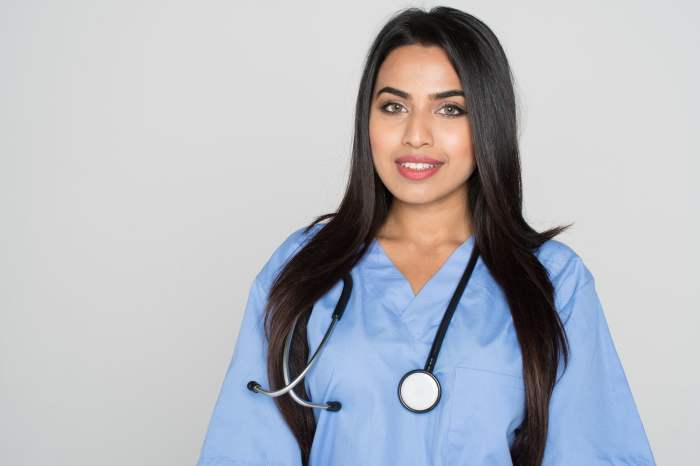
In conclusion, nursing jobs are not just positions; they are essential roles filled with passion and purpose that directly impact patient lives and overall health outcomes. As we’ve discovered, the nursing field is ripe with opportunities, from home health care wonders to frontline warriors in hospitals. So whether you’re a seasoned nurse or an aspiring one, remember that every shift is a chance to make a difference, one heartbeat at a time!
FAQ Insights
What qualifications do I need to become a nurse?
You typically need a nursing degree (ADN or BSN) and must pass the NCLEX-RN exam. Additional certifications may be required depending on the specialty.
Are nursing jobs in high demand?
Yes! Nursing jobs are in high demand due to an aging population and the constant need for healthcare services, making it a stable career choice.
What is the salary range for nursing jobs?
Salary varies by location and specialty, but registered nurses in the U.S. typically earn between $60,000 and $90,000 annually.
Can I specialize in nursing?
Absolutely! Nurses can specialize in areas like pediatrics, geriatrics, emergency care, and many more through additional education and certifications.
What skills are essential for nursing jobs?
Key skills include strong communication, critical thinking, empathy, attention to detail, and the ability to work under pressure.


