Welcome to the enthralling world of Major depressive disorder, where dark clouds gather and the coffee goes cold—but don’t worry, we’re here to find the silver lining! This peculiar condition doesn’t just knock on your door; it sometimes barges in uninvited, rummaging through your happy thoughts while leaving behind an air of confusion and sadness. From feeling as lively as a sloth on a Sunday to grappling with the daily grind, we’re about to uncover the mysteries of this mental health heavyweight.
Major depressive disorder, or MDD for short, isn’t just a fancy term thrown around at parties; it’s a serious mental health issue that impacts millions worldwide. With symptoms ranging from the classic “I can’t get out of bed” to a persistent case of the blues, understanding the nuances of MDD is crucial for finding effective treatments and support. So grab your metaphorical umbrella, and let’s dive into the stormy seas of symptoms, treatments, and connections with other health issues!
Understanding Major Depressive Disorder
Major Depressive Disorder (MDD) can feel like trying to swim in a sea of molasses—heavy, slow, and seemingly impossible to escape. It’s like wearing the world’s heaviest backpack filled with bricks made out of sad thoughts and a sprinkle of hopelessness. In this section, we’ll dive deep into the symptoms, diagnostic criteria, and who this condition tends to hang out with during lunch in the school of mental health.
Symptoms of Major Depressive Disorder
The symptoms of Major Depressive Disorder are as varied as the types of ice cream available at your local parlor, but none are particularly enjoyable. These symptoms can disrupt daily life in ways that make getting out of bed feel like climbing Mount Everest in flip-flops. Important symptoms include:
- Persistent Sadness: A lingering feeling of sadness that seems to have set up camp in your heart.
- Lack of Interest: Activities that once brought joy—like binging on reality TV—now seem as exciting as watching paint dry.
- Sleep Disturbances: Either insomnia, where the sheep won’t come to count, or hypersomnia, where the bed feels more inviting than the outside world.
- Changes in Appetite: Food may lose its appeal or, conversely, comfort eating may turn you into a human vacuum cleaner.
- Fatigue: Even the thought of getting up feels like running a marathon, leaving you more exhausted than a cat on a hot tin roof.
- Concentration Issues: Your brain might feel foggy, like trying to navigate through a thick cloud of cotton candy.
- Feelings of Worthlessness: Thoughts that you’re less valuable than a broken pencil can crop up, making every day a challenge.
Living with these symptoms can lead to significant impairments in daily functioning, affecting work, social interactions, and personal relationships. We often joke about needing coffee to function, but MDD can make you feel like you need a whole coffee farm just to get out of bed!
Diagnostic Criteria for Major Depressive Disorder
According to the DSM-5, the gold standard for diagnosing psychological conditions, MDD doesn’t just come with a list of symptoms; it comes with a specific set of criteria that must be met. Picture it as your ticket to the MDD club—only the most serious applicants make the cut.To be diagnosed, an individual must experience at least five of the following symptoms over a two-week period, with one of them being either a depressed mood or loss of interest:
- Depressed mood most of the day, nearly every day.
- Markedly diminished interest or pleasure in almost all activities.
- Significant weight loss or gain, or a decrease or increase in appetite.
- Insomnia or hypersomnia nearly every day.
- Psychomotor agitation or retardation.
- Fatigue or loss of energy nearly every day.
- Feelings of worthlessness or excessive guilt.
- Diminished ability to think or concentrate.
- Recurrent thoughts of death or suicidal ideation.
The symptoms must cause clinically significant distress or impairment in social, occupational, or other important areas of functioning. In simpler terms, it’s not just a case of the blues; it’s a full-blown emotional storm that can wreak havoc on daily life!
Prevalence and Demographics Affected by Major Depressive Disorder
Major Depressive Disorder is like an unwelcome guest that shows up uninvited at the party of life. According to the National Institute of Mental Health, MDD affects approximately 7% of adults in the U.S., translating to millions of people grappling with its weighty presence.Factors influencing the prevalence of MDD include:
- Age: It can affect any age group, but rates are higher among young adults, often coinciding with life transitions.
- Gender: Women are statistically more likely to experience MDD than men, suggesting biological and social factors at play.
- Socioeconomic Status: Those in lower socioeconomic brackets often experience higher rates of depression due to stressors like financial instability.
- Geographic Location: Urban populations show different prevalence rates compared to rural ones, possibly due to varying access to resources and support.
This disorder doesn’t discriminate; it can affect anyone, from students to professionals, irrespective of background or lifestyle. Major Depressive Disorder is a serious condition that deserves attention, understanding, and appropriate treatment. After all, even the brightest stars can be obscured by clouds, and every cloud has a silver lining just waiting to shine through.
Treatment Options for Major Depressive Disorder
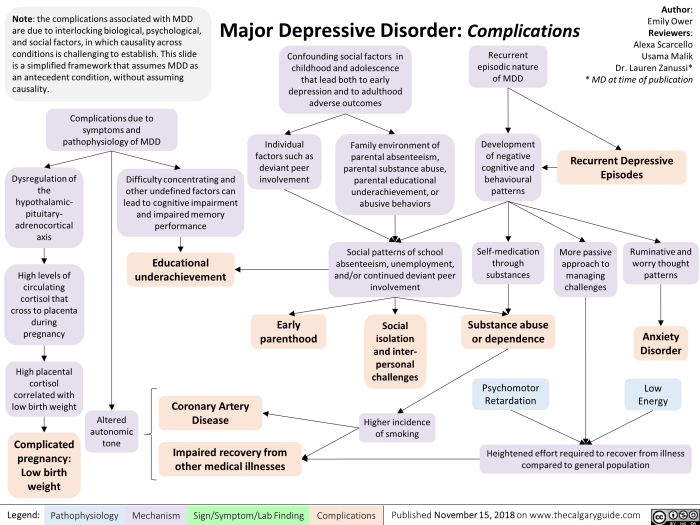
When it comes to tackling Major Depressive Disorder (MDD), it’s akin to throwing spaghetti at a wall to see what sticks—except in this case, we’re hoping for more than just a mess. Finding the right treatment can feel like navigating a maze of options, from medications that come in form of little pills to therapies that involve chatting about your feelings until a herd of elephants in the room has been led out.
Here’s a whirlwind tour of the treatment landscape for MDD, where we’ll explore various modalities and even throw in some self-care strategies for good measure!
Treatment Modalities
Major Depressive Disorder can be treated using a variety of approaches, each with its unique flair. Here’s a look at the prominent modalities:
1. Psychotherapy
Often viewed as the trusty Swiss Army knife of treatment options. Cognitive Behavioral Therapy (CBT) is a popular choice, designed to help patients identify and change negative thought patterns. Think of it as a mental decluttering session—out with the old, in with the new.
2. Medication
Antidepressants are the go-to for many. SSRIs (Selective Serotonin Reuptake Inhibitors) like fluoxetine or sertraline are like the cheerful little elves in the brain, helping to boost serotonin levels. However, finding the right medication can sometimes feel like shopping for shoes—what’s perfect for one person might pinch another’s toes!
3. Alternative Therapies
From acupuncture to yoga, there are plenty of alternatives that might help ease symptoms. Some folks find that adding a bit of herbal magic, like St. John’s Wort, spices things up. Just remember, not all herbal remedies are certified mood elevators—consult with a healthcare professional before diving into the herbal garden!
The best treatment often involves a combination of therapies tailored to the individual, much like creating a bespoke suit of armor for battling depression!
Cognitive Behavioral Therapy versus Medication
When comparing Cognitive Behavioral Therapy (CBT) with medication, it’s not a case of one being better than the other, but rather what fits best like a glove. Studies indicate that while CBT is effective for many, combining it with medication can yield even greater results, especially in cases of severe depression.
Effectiveness
CBT can empower individuals with tools to alter their thought processes, while medications can quickly alleviate symptoms for those in need of immediate relief.
Duration of Treatment
Medications often require continuous use, while CBT can provide lasting strategies even after completing sessions, like learning to ride a bike—you might fall off a few times, but you’ll remember how to get back on.
Self-Care Strategies
Engaging in self-care is a cornerstone in managing Major Depressive Disorder. Here’s a list of self-care strategies that can help individuals navigate their journey:Self-care isn’t just about bubble baths and chocolate (though they’re certainly part of the game). It’s about small, daily habits that can uplift mood and create a buffer against the heavy clouds of depression. Here’s a comprehensive list:
- Establish a routine: Create a daily schedule that includes time for self-care activities.
- Exercise regularly: Even a brisk walk can release those feel-good endorphins.
- Eat a balanced diet: Fueling your body with nutritious foods can boost your mood.
- Get enough sleep: Prioritize quality sleep to recharge your mental batteries.
- Connect with others: Reach out to friends and loved ones; social support is crucial.
- Practice mindfulness or meditation: Grounding exercises can help clear mental fog.
- Engage in hobbies: Find activities that bring joy and laughter into your life.
- Limit alcohol and drugs: These can exacerbate symptoms of depression.
- Seek professional help: Regular check-ins with a therapist or counselor can provide ongoing support.
Self-care isn’t a luxury; it’s a necessity. It helps build resilience and can be a powerful tool in managing depression.
Related Health Topics and Their Connection to Major Depressive Disorder
Major Depressive Disorder (MDD) doesn’t just ride solo; it often brings along some uninvited health issues to the party. Let’s take a comedic dive into how home health care, hypertension, and health practices like meditation interact with MDD, revealing the intricate dance of connections that can either make or break a mental health journey.
Role of Home Health Care in Supporting Individuals with Major Depressive Disorder
Home health care acts like that trusty sidekick in the superhero movies of mental health. When someone struggles with MDD, having a home health aide can provide essential support, helping to infuse a bit of sunshine into those cloudy days. This type of care not only provides practical assistance but also emotional support, which is as vital as a warm cup of cocoa on a frosty day.
Here’s how home health care can make a difference:
- Companionship: Home health aides offer social interaction, reducing feelings of isolation commonly experienced with MDD.
- Medication Management: They help ensure that medications are taken on time, acting as a gentle reminder – akin to a friend nudging you to finish that last slice of pizza.
- Daily Living Support: Aides assist with daily tasks such as cooking, cleaning, and personal care, making life a little less daunting.
Relationship Between Hypertension and Mood Disorders
Hypertension and mood disorders like MDD are like two sides of the same coin, frequently flipping between anxiety and elevated blood pressure. It appears that stress can lead to a rise in blood pressure, which, in turn, could exacerbate feelings of depression. Research indicates that this connection may manifest through several pathways. Here’s a closer look:
- Inflammation: Chronic hypertension could trigger inflammatory processes that may worsen mood disorders.
- Stress Response: Both conditions trigger the body’s stress response, leading to a vicious cycle that can feel like being stuck in a revolving door.
- Lifestyle Factors: Poor diet and lack of exercise common in individuals dealing with MDD can contribute to hypertension, creating a feedback loop.
Benefits of Health and Meditation Practices for Major Depressive Disorder
Engaging in health practices and meditation can be like finding a hidden treasure map that leads to better mental health. These practices provide tools to combat the symptoms of MDD, helping individuals unlock a sense of peace and well-being. Here’s how these practices can serve as a lifeline:
- Meditation: Regular meditation can significantly reduce symptoms of anxiety and depression, acting as a mental spa day for the soul.
- Exercise: Physical activity releases endorphins, which can boost mood and act as natural antidepressants, making your brain feel like it just found a surprise party.
- Healthy Diet: Nutrition plays a crucial role in mental health, as certain foods can enhance brain function and mood, like a superhero snack that powers you up for the day.
Last Recap
In wrapping up our whimsical voyage through Major depressive disorder, we’ve seen how this condition can turn the mundane into a melodrama worthy of an Oscar—but it doesn’t have to steal the show forever. By understanding its symptoms, exploring various treatment options, and knowing how it fits into the broader health landscape, there’s hope for brighter days ahead. So, as we part ways, remember: it’s okay to seek help, laugh at the clouds, and maybe even dance in the rain!
Essential Questionnaire
What is Major depressive disorder?
Major depressive disorder is a severe form of depression that significantly impacts daily life, characterized by persistent sadness and a lack of interest or pleasure in activities.
How is Major depressive disorder diagnosed?
Diagnosis typically involves a thorough evaluation by a mental health professional using criteria from the DSM-5, which includes assessing symptoms and their duration.
What are common treatments for Major depressive disorder?
Treatments can include psychotherapy, medications (like antidepressants), and alternative therapies such as exercise and meditation.
Can lifestyle changes help with Major depressive disorder?
Yes! Incorporating self-care strategies like regular exercise, a balanced diet, and mindfulness practices can significantly support recovery.
Is Major depressive disorder the same as regular sadness?
No, while sadness is a normal emotion, Major depressive disorder is a clinical condition requiring specific interventions and support.