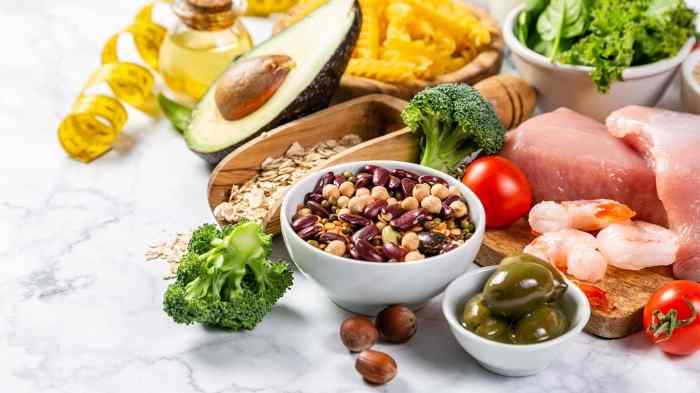
Welcome to the world of the Hypertension diet, where delicious meets nutritious, and your taste buds are about to embark on an adventure of flavor and health! Imagine a diet that not only tantalizes your palate but also serves as a superhero for your blood pressure, swooping in to save the day. This diet is all about knowing your nutrients, particularly the dynamic duo of sodium and potassium, and how they tango in your bloodstream to impact your health.
With a sprinkle of recommended foods that lower blood pressure and a dash of home health care strategies, this guide is your golden ticket to managing hypertension like a pro. We’ll explore how monitoring your blood pressure can be as easy as pie and discover how mind-body approaches, like meditation and massage therapy, can help keep your stress levels in check while elevating your well-being.
Buckle up, because it’s going to be a flavorful ride!
Hypertension Diet Basics

When it comes to managing hypertension, a well-balanced diet can be your best ally, acting as a trusty sidekick in the quest for lower blood pressure. Think of it as assembling a superhero team of foods that work together to save the day — or at least keep your blood pressure from going on an epic rollercoaster ride. Let’s dive into the fundamentals of a hypertension diet, where tasty meets healthy and your blood pressure takes a well-deserved vacation.The fundamental principles of a hypertension diet revolve around reducing sodium intake while increasing the consumption of potassium-rich foods.
A diet rich in fruits, vegetables, whole grains, and lean proteins can significantly contribute to lower blood pressure levels. The Dietary Approaches to Stop Hypertension (DASH) diet is a well-researched plan that emphasizes these principles, aiming to not only lower blood pressure but also promote overall health.
Recommended Foods for Lowering Blood Pressure
Incorporating the right foods into your diet can be a game-changer in managing hypertension. Here’s a treasure chest of food items that can help lower those numbers on your blood pressure monitor:
- Leafy Greens: Spinach, kale, and swiss chard are packed with potassium, which helps balance sodium levels and can ease blood vessel tension.
- Berries: Blueberries, strawberries, and raspberries are loaded with antioxidants and have been shown to lower blood pressure.
- Beets: These vibrant root veggies contain nitrates, which help dilate blood vessels and improve blood flow.
- Oats: A hearty bowl of oatmeal not only keeps you full but is also high in soluble fiber that helps lower cholesterol.
- Bananas: This potassium-packed fruit is deliciously simple and works wonders for blood pressure regulation.
- Fatty Fish: Salmon, mackerel, and sardines provide omega-3 fatty acids, which can reduce blood pressure and inflammation.
- Nuts and Seeds: Almonds, walnuts, and flaxseeds are great snacks that contribute healthy fats and magnesium.
The role of sodium and potassium in hypertension is crucial, much like the balance between a tightrope walker and their balancing pole. Sodium can cause your body to retain water, leading to increased blood volume and, consequently, higher blood pressure. The American Heart Association recommends limiting sodium intake to less than 2,300 milligrams per day, and ideally aiming for 1,500 milligrams, especially for those with hypertension.In contrast, potassium works like your personal superhero, helping to counteract the effects of sodium.
It relaxes blood vessel walls and aids in the excretion of sodium through urine. Thus, a diet rich in potassium boosts your chances of maintaining healthy blood pressure levels. It’s the dynamic duo of diet that can lead to a happier heart!
“To achieve a healthier heart, think of potassium as your trusty sidekick to counteract the sodium villain.”
Home Health Care and Hypertension
Managing hypertension at home can feel like trying to juggle while riding a unicycle—challenging but definitely not impossible. With a little creativity and a sprinkle of humor, you can create a health-friendly environment that keeps your blood pressure in check. The following sections will lay out some strategies for home health care, tips for monitoring blood pressure effectively, and the essential role nutritionists play in your dietary journey against hypertension.
Strategies for Managing Hypertension at Home
Creating a hypertension-friendly home environment is like setting up a cozy fortress against high blood pressure. Here are some strategies to help you win the battle:
- Reduce Sodium Intake: Consider your salt shaker a temporary roommate who has overstayed their welcome. Aim for less than 2,300 mg of sodium per day. Use herbs and spices instead to jazz up your meals and send sodium packing!
- Increase Physical Activity: Turn your living room into a fitness studio! Whether it’s dancing like no one’s watching or channeling your inner yoga master, aim for at least 150 minutes of moderate exercise a week. Your heart will thank you!
- Maintain a Healthy Weight: Think of your scale as a friend who gives you honest feedback. Aim to shed extra pounds gradually for a healthier heart. A balanced diet and physical activity are your best allies!
- Limit Alcohol Consumption: Alcohol can be a sneaky little troublemaker. Moderation is key—up to one drink a day for women and two for men can keep you on track.
Tips for Monitoring Blood Pressure Effectively at Home
Monitoring your blood pressure at home is crucial for staying on top of your health. Think of it as your personal health scoreboard, keeping you informed about your progress. Follow these tips to get accurate readings:
- Choose the Right Monitor: Invest in a reliable, automatic blood pressure monitor. Look for one that has been validated for accuracy and fits your arm comfortably, because no one likes a tight squeeze!
- Measure at the Same Time Daily: Establish a routine—perhaps test your blood pressure every morning with your morning coffee. Consistency breeds reliability!
- Follow Proper Technique: Sit quietly for five minutes before taking a reading. Ensure your back is supported, feet flat on the floor, and your arm is at heart level. Pretend you’re a calm Zen master as you wait for the results!
- Record Your Readings: Keep a log of your measurements. This can help identify patterns and make it easier to discuss with your healthcare provider. Who knew journaling could help your blood pressure?
The Role of Nutritionists in Providing Dietary Guidance for Hypertension
Nutritionists can be your secret weapon in combating hypertension, like wise wizards guiding you through the enchanted forest of healthy eating. Their expertise helps demystify dietary choices, ensuring you know what to include in your meals. Here’s how they can assist:
- Personalized Meal Plans: Nutritionists tailor meal plans to meet individual needs, taking into account personal preferences, cultural influences, and nutritional requirements. Think of it as a bespoke suit for your dietary lifestyle!
- Education on Food Choices: They educate you on reading food labels and recognizing hidden sodium in foods. No more sneaky salt surprises lurking in your snacks!
- Support and Accountability: Regular check-ins with a nutritionist can keep you motivated and on track. It’s like having a personal cheerleader who knows all the right moves to keep you healthy!
- Incorporation of Heart-Healthy Foods: Nutritionists can introduce you to the wonders of the DASH (Dietary Approaches to Stop Hypertension) diet, filled with fruits, veggies, whole grains, and lean proteins. Say hello to a delicious array of foods that love your heart back!
Mind-Body Approaches to Manage Hypertension
Managing hypertension isn’t just about what you eat or how often you exercise; it’s also about what goes on in your mind and how you connect with your body. Approaches like meditation and massage therapy can help you lower blood pressure without breaking a sweat—or a bank account. Let’s dive into these mind-body methods that could turn your hypertension frown upside down!
Meditation Benefits for Blood Pressure
Meditation has been known to work wonders for those with high blood pressure, much like a magician pulls a rabbit out of a hat. It’s not just about sitting cross-legged and chanting “Om” (though that can be fun); it’s about training your mind to find calm. This tranquility helps lower stress hormones that can spike your blood pressure. Regular practice can lead to a more relaxed state, allowing for smoother blood flow and a happier heart.
-
“Meditation can reduce blood pressure by promoting relaxation and reducing stress.”
- Studies have shown that mindfulness meditation can lead to a significant decrease in systolic and diastolic blood pressure.
- Engaging in meditation practices for just 10-20 minutes a day can lead to long-term benefits, making you feel like a zen master, even in traffic.
Massage Therapy for Hypertension Management
When it comes to hypertension, massage therapy is like a warm hug from your favorite teddy bear. This therapy doesn’t just pamper you; it actively reduces stress and promotes relaxation. Regular massages can help lower cortisol levels (the pesky stress hormone) in your body, which in turn helps lower blood pressure. It’s like a spa day that also doubles as medicine—what’s not to love?
- Research indicates that professional massage therapy can reduce systolic blood pressure by an average of 10-15 mmHg.
- Different massage techniques, such as Swedish or deep tissue, can stimulate circulation and improve overall cardiovascular health.
- Not only does massage help with physical relaxation, but it can also improve mood and overall well-being.
Mood Disorders and Hypertension Connection
It’s no surprise that mood disorders such as anxiety and depression can contribute to hypertension. When your emotional state is like a rollercoaster, your blood pressure can follow suit, often reaching heights that would make even the bravest thrill-seeker nervous. Understanding this connection is crucial for managing your blood pressure effectively.
- Studies show that individuals with anxiety disorders have a higher risk of developing hypertension due to chronic stress responses.
- Implementing coping strategies such as cognitive-behavioral therapy (CBT) can effectively manage both mood disorders and hypertension.
- Physical activity, alongside mood-boosting techniques such as journaling or talking to friends, can help keep your blood pressure in check while lifting your spirits.
Last Point
In conclusion, the Hypertension diet isn’t just a list of do’s and don’ts; it’s a lifestyle overhaul filled with tasty foods and holistic practices that make managing blood pressure feel less like a chore and more like a culinary adventure. By embracing this diet, you’re not just lowering your blood pressure; you’re also treating yourself to a banquet of health benefits.
So, grab your fork and knife, because it’s time to eat your way to a happier, healthier heart!
FAQ Guide
What types of food should I avoid on a Hypertension diet?
Steer clear of high-sodium snacks, processed foods, and those sneaky added sugars that can pump up your blood pressure!
How can I monitor my blood pressure at home?
Invest in a reliable blood pressure monitor, take readings at the same time each day, and keep a record to discuss with your doctor!
Can stress management really affect my blood pressure?
Absolutely! Techniques like yoga, deep breathing, and even laughter can lower stress levels and help keep your blood pressure in check.
Is it necessary to consult a nutritionist for a Hypertension diet?
While it’s not mandatory, a nutritionist can customize your diet to suit your lifestyle and preferences, making it easier to stick to!
Can I still enjoy my favorite foods while on a Hypertension diet?
Yes! With creativity and a few substitutions, you can modify your favorites and keep the flavor flowing without compromising your health!


