
Self-awareness is like having a backstage pass to the concert of your life, where you get to know the star of the show—yourself! Imagine exploring the depths of your mind with the finesse of a treasure hunter searching for hidden gems of insight. This essential skill is not just a fancy buzzword thrown around in personal development seminars; it’s the secret sauce that can transform your emotional intelligence, improve relationships, and elevate your overall well-being.
In this delightful exploration, we’ll dive headfirst into the world of self-awareness, unveiling its importance, the quirky ways it influences our health, and how it intertwines beautifully with practices like meditation. Buckle up, because we’re about to embark on a journey that’ll have you saying, “Wow, I didn’t know I had this much power!”
Understanding Self-awareness
Self-awareness is like having a personal GPS system for your mind, helping you navigate the complex terrain of your thoughts, emotions, and behaviors. It allows you to take a step back, look at yourself from a distance, and understand your inner workings—without the need for a therapist in a comfy chair (though those can still be handy). This superpower is essential for personal development as it paves the way for growth, decision-making, and even your social life.
Who wouldn’t want to know when they’re being a tad too dramatic at a dinner party?Self-awareness is fundamentally about recognizing your own emotions, strengths, weaknesses, and the effect you have on others. It’s that moment when you realize that the pie you devoured during a Netflix binge might not have been the best choice—not just for your waistline, but for your emotional state too.
Understanding this concept is crucial because it helps foster emotional intelligence, which is basically your ability to manage your own emotions while also being able to read the room like a seasoned sitcom writer.
Relationship Between Self-awareness and Emotional Intelligence
Self-awareness is a cornerstone of emotional intelligence, which can be summarized as the ability to recognize and manage our own emotions while also empathizing with others. You might think of it as the emotional version of multitasking—like being able to juggle flaming torches while also giving a TED talk. When you’re self-aware, you can recognize when you’re feeling miffed or giddy, and you can adjust your reactions accordingly.
Here are a few reasons this relationship is important:
- Improved Communication: Self-awareness allows you to express your feelings more clearly, which means less chance of saying something regrettable at the office Christmas party.
- Better Conflict Resolution: By understanding your own emotional triggers, you can handle interpersonal conflicts with grace—like a swan gliding across a lake instead of a goose honking in confusion.
- Stronger Relationships: When you understand your own emotions, you’re better equipped to empathize with others, creating deeper connections that don’t feel like you’re just playing emotional ping-pong.
Methods to Enhance Self-awareness in Daily Life
Boosting your self-awareness doesn’t require a PhD in psychology or a degree in Zen meditation. With some simple practices, you can turn everyday moments into opportunities for deeper understanding—kind of like turning a boring slice of bread into a gourmet toast. Here are some effective methods:
- Journaling: Writing down your thoughts and feelings can be like having a conversation with yourself—minus the weird looks from strangers. It helps you track your emotional patterns and gain insights into your behavior.
- Mindfulness Meditation: This practice tunes you into your present moment, thoughts, and feelings—like a mental spa day. Just sitting quietly can reveal the chaos in your mind, helping you make sense of it all.
- Feedback from Others: Ask friends or colleagues for their perspective on your behavior. Just remember to take it with a grain of salt—preferably not the salt that’s been sitting in the back of the cupboard for years.
- Setting Goals: By identifying specific areas you want to improve, you can focus your self-awareness practices, transforming vague feelings into actionable insights. It’s like using a map instead of just wandering aimlessly.
“Self-awareness is not just about knowing what you feel, but understanding why you feel that way.”
Self-awareness and Health
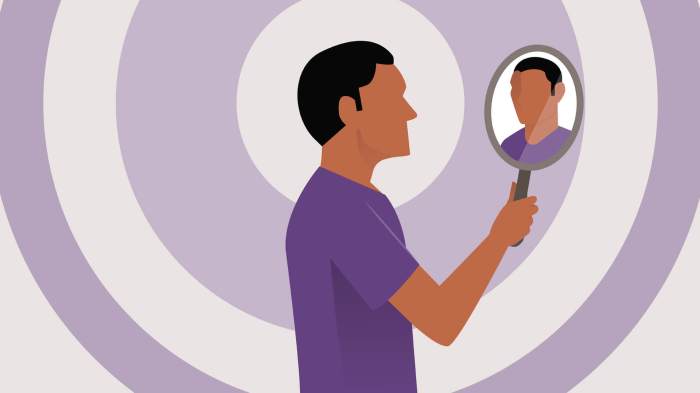
Understanding the intricate relationship between self-awareness and health is like unlocking a treasure chest filled with golden nuggets of wisdom. Self-awareness acts as a compass, guiding us in making healthier choices that can positively impact our physical well-being. When we become conscious of our emotions, habits, and triggers, we can steer our lifestyle towards better health, like a captain navigating through stormy seas with a trusty map.Self-awareness directly influences our physical health and lifestyle choices in profound ways.
Being aware of our emotional states can help us recognize when we are turning to unhealthy coping mechanisms, such as excessive snacking during stress or skipping workouts due to low motivation. With this knowledge, we can proactively alter our behaviors, opting instead for nutritious snacks or energizing workouts. Moreover, a keen sense of self-awareness allows us to tune into our bodies’ signals, empowering us to make informed decisions regarding rest, nutrition, and exercise.
Connection Between Self-awareness and Managing Health Conditions
Self-awareness is essential for effectively managing health conditions like hypertension. By understanding our stress levels, emotional responses, and lifestyle choices, we can identify patterns that contribute to elevated blood pressure. For instance, an individual who recognizes that their blood pressure spikes during stressful situations can implement stress-reduction techniques, such as mindfulness or deep-breathing exercises, to mitigate these effects. It’s not only about knowing you have hypertension; it’s about being in tune with how various stressors impact your health.
Engaging in regular self-reflection can help individuals track their progress, understand triggers, and ultimately lead to better management of their condition. Research shows that people who practice self-awareness are more likely to adhere to treatment plans and maintain healthier lifestyles, making them masters of their health destinies.To enhance self-awareness in the context of home health care, certain practices can be incredibly beneficial.
Here is a list of practices that promote self-awareness:
- Journaling: Keeping a daily journal helps in reflecting on feelings, thoughts, and behaviors, creating a roadmap for personal growth.
- Mindfulness Meditation: Engaging in mindfulness practices allows for a greater understanding of present feelings and bodily sensations, enhancing emotional regulation.
- Self-monitoring Health Metrics: Regularly tracking metrics like blood pressure, weight, and mood can provide insights into how lifestyle choices affect health.
- Establishing a Routine: Creating a consistent daily routine helps identify patterns and triggers that influence health behaviors.
- Engaging in Support Groups: Connecting with others in similar situations fosters shared experiences and insights, enhancing self-awareness through discussion.
- Seeking Professional Guidance: Consulting with health professionals can provide personalized feedback and enhance one’s self-awareness regarding health conditions.
Incorporating these practices into daily life not only boosts self-awareness but also cultivates a proactive approach to health management. This journey of self-discovery can pave the way for healthier choices, showing that knowing oneself is indeed half the battle in the quest for optimal health.
Self-awareness in Mind-Body Practices
Self-awareness is like that quirky friend who keeps reminding you to check in with yourself, even when you’re busy contemplating the mysteries of the universe or trying to find your other sock. In the realm of mind-body practices, self-awareness takes center stage, helping us navigate our emotions, thoughts, and physical sensations with the finesse of a skilled tightrope walker. Let’s dive into how meditation, mental health, and health therapies can amplify our self-awareness, making life just a little more manageable—and maybe even enjoyable.
Meditation and Self-awareness
Meditation is the zen garden of the mind—where clarity blooms, and chaos meets its match. Regular meditation practice contributes to self-awareness by allowing individuals to observe their thoughts without judgment. This practice opens up a treasure chest of insights about one’s emotions and reactions. According to a study published in the Journal of Happiness Studies, those who meditate regularly report higher levels of self-awareness and overall well-being.
Benefits of meditation include:
- Enhanced Emotional Regulation: Meditation helps to recognize emotional triggers, allowing individuals to respond rather than react impulsively.
- Improved Focus: Regular meditation can sharpen concentration, making it easier to tackle tasks without getting sidetracked by wandering thoughts.
- Stress Reduction: By fostering a sense of calm, meditation decreases the levels of the stress hormone cortisol in the body, contributing to a more balanced mood.
“Self-awareness is the cornerstone of emotional intelligence, and meditation is its architect.”
Impact of Self-awareness on Mood Disorders and Mental Health
Self-awareness plays a crucial role in managing mood disorders such as depression and anxiety. It enables individuals to identify negative thought patterns and behavioral triggers, much like spotting a banana peel before a slip-and-fall moment. Understanding personal emotional landscapes can facilitate healthier coping mechanisms and resilience.Impact includes:
- Identifying Triggers: Recognizing what causes mood swings empowers individuals to address them proactively.
- Better Communication: Self-aware individuals articulate their needs and feelings more effectively, fostering healthier relationships.
- Resilience Building: By understanding emotional responses, individuals can develop stress-management techniques that work for them.
In fact, studies have shown that individuals with higher self-awareness are less likely to experience severe episodes of mood disorders, as they can deploy strategies to mitigate their symptoms before they escalate.
Integrating Self-awareness into Health and Massage Therapies
Incorporating self-awareness into health and massage therapies can transform a typical session into a profound healing experience. Therapists can encourage clients to tune into their bodies, creating a dialogue that enhances the therapy’s effectiveness. Being aware of physical sensations and emotional responses during treatment can lead to deeper relaxation and an increased sense of well-being.Techniques to integrate self-awareness:
- Mindful Breathing: Encourage clients to focus on their breath, promoting awareness of bodily sensations and emotional states throughout the session.
- Body Scanning: Teach clients to mentally scan their bodies for tension or discomfort, allowing them to express specific areas needing attention.
- Post-Therapy Reflection: After a session, invite clients to share their feelings and thoughts, enhancing their understanding of their mind-body connection.
By weaving self-awareness into these practices, individuals can experience not just a physical release but also a deeper connection to their own emotional health. Just like adding sprinkles to a cupcake, it takes the experience from good to absolutely fabulous!
Ending Remarks
So, as we wrap up our little adventure into the realm of self-awareness, remember that this journey is ongoing. Like a fine wine, it only gets better with age and practice. Whether you’re pondering your emotional responses or practicing mindfulness, self-awareness invites you to embrace your flaws and celebrate your strengths. Now go forth, brave explorer, and let your newfound insights guide you through life’s ups and downs—preferably with a side of humor and perhaps a dash of ice cream!
Essential Questionnaire
What is self-awareness?
Self-awareness is the ability to recognize and understand your own thoughts, emotions, and behaviors, enabling personal growth and better decision-making.
How can I improve my self-awareness?
Improving self-awareness can be achieved through practices like journaling, meditation, seeking feedback from others, and reflecting on your experiences.
Why is self-awareness important for emotional intelligence?
Self-awareness is a cornerstone of emotional intelligence, as it allows you to understand your emotions and how they influence your interactions with others.
Can self-awareness impact my physical health?
Yes! By understanding your emotional and behavioral patterns, you can make healthier lifestyle choices and manage stress more effectively.
Is self-awareness a lifelong journey?
Absolutely! Self-awareness evolves over time as you gather new experiences and insights, making it a continuous journey rather than a destination.


