
Picture this: a world where vitamins and minerals are your trusty sidekicks, ready to swoop in and save your day from the clutches of fatigue and poor nutrition! That’s right, we’re diving into the exhilarating universe of health supplements, where tiny capsules promise to pack a punch against every ailment known to mankind. Remember, though, not all heroes wear capes—some come in the form of little bottles!
Health supplements come in various forms, from pills to powders to even gummy bears that taste so good you might forget they’re good for you. They promise benefits ranging from boosting your immune system to turning back the clock on your aging process (spoiler: they won’t stop time, but they can help you feel sprightly!). However, with great power comes great responsibility, so it’s essential to weigh the benefits against potential risks, ensuring you don’t accidentally turn into a supplement junkie!
Health Supplements Overview
Health supplements are like that extra slice of pizza you didn’t know you needed—sometimes indulgent, often necessary, and occasionally questionable. These products, designed to augment your diet, come in various forms, including tablets, capsules, powders, liquids, and even bars. From vitamins and minerals to herbs and amino acids, they aim to provide the nutrients your body craves, even if it’s not asking for them directly.
While health supplements can bolster your wellness routine, they aren’t without their quirks. The benefits often include filling nutritional gaps, enhancing physical performance, and supporting overall health, like a trusty sidekick in your superhero saga. However, potential risks lurk in the shadows, including possible interactions with medications and adverse side effects if over-consumed. It’s essential to strike the right balance, or you might find yourself in a comical situation, wondering if the supplement you took was meant for humans or houseplants!
Benefits and Risks of Health Supplements
Understanding the dual-edged sword of health supplements involves recognizing both their merits and potential pitfalls. Below is a table that Artikels some popular health supplements, their primary uses, and any side effects that may rear their ugly heads.
| Supplement | Primary Use | Potential Side Effects |
|---|---|---|
| Vitamin C | Boosting immune function | Stomach upset, diarrhea |
| Protein Powder | Muscle building | Gas, bloating |
| Fish Oil | Heart health | Fishy aftertaste, risk of bleeding |
| Multivitamins | Overall nutrient support | Nausea, headaches |
| Magnesium | Muscle and nerve function | Diarrhea, abdominal cramping |
“A supplement a day keeps the dullness away, but don’t forget to keep it in moderation!”
Navigating the complex world of health supplements requires a blend of knowledge, caution, and sometimes a dash of humor. After all, while they can be beneficial, it’s crucial to remember that they are not a cure-all solution. A well-balanced diet should remain your primary focus, with supplements serving as a helpful sidekick, not the main event.
Health and Home Health Care
When it comes to home health care, health supplements are like the superhero sidekicks that help our aging loved ones maintain their vitality. They swoop in to provide the extra support that a balanced diet sometimes can’t muster up, ensuring that our cherished seniors are living their best lives—one vitamin at a time. Whether it’s helping with bone strength or boosting the immune system, these little capsules of goodness play a vital role in enhancing quality of life at home.Incorporating health supplements into patient care plans is as easy as pie—preferably a healthy, whole-grain pie with no added sugar, of course! Caregivers can seamlessly weave these supplements into daily routines, making them a delightful part of snack time or mealtime.
This integration not only supports the physical health of elderly individuals but also provides an opportunity for caregivers to spend meaningful moments with their patients. Supplements can be combined with favorite foods, administered with a glass of water, or even blended into smoothies to mask any unpleasant flavors, making the process smoother than butter.
Beneficial Health Supplements for Elderly Individuals
Many health supplements can specifically benefit elderly individuals receiving home health care. Here’s a selection of some of the most effective options that caregivers can incorporate into their care plans:
- Calcium and Vitamin D: Essential for maintaining bone health and preventing osteoporosis. A daily dose might be just what the doctor ordered to keep those bones strong and steady.
- Omega-3 Fatty Acids: Known for their heart-healthy properties, these supplements can help reduce inflammation and improve brain health. Think of them as a delicious fishy hug for the heart and mind.
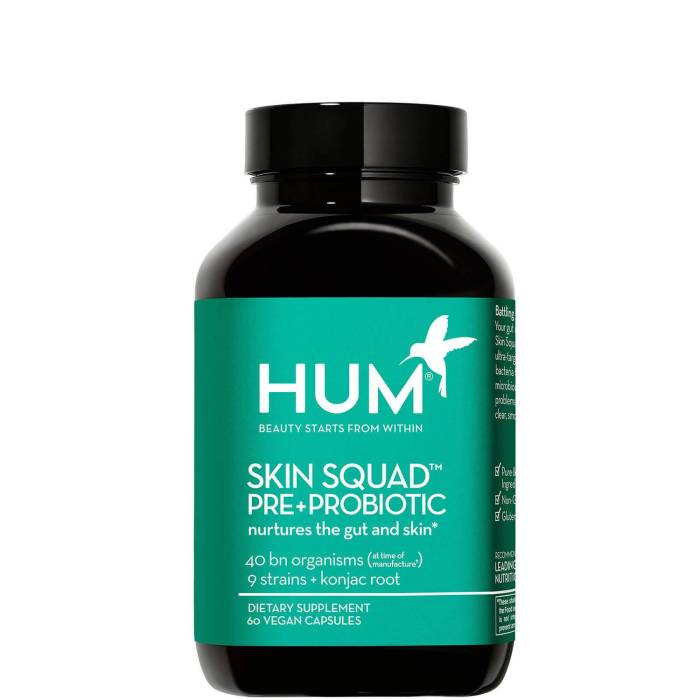
- Probiotics: These friendly bacteria can improve gut health and boost the immune system—especially important for seniors. They’re like the little warriors keeping the digestive system in tip-top shape.
- Multivitamins: A convenient way to ensure that elderly individuals are getting a broad spectrum of essential nutrients. It’s like a daily health insurance policy in pill form.
Integrating these supplements needs to be done thoughtfully. It’s important for caregivers to consult with healthcare professionals to determine the appropriate dosages and combinations that meet each individual’s unique health needs. This ensures that the supplements serve their purpose without any unwanted side effects—because nobody wants a surprise party when it comes to health!
“Health supplements are like the cherry on top of a sundae—essential for the finishing touch on a healthy lifestyle!”
Health and Holistic Approaches
In the vast universe of well-being, health supplements and holistic practices shine like stars in the night sky. They may seem like distant entities, but when drawn together, they create a constellation of health that can illuminate our mind, body, and spirit. Holistic approaches—like meditation and massage therapy—focus on nurturing all aspects of ourselves, and health supplements can be the cherry on top of this wellness sundae.The synergy between health supplements and holistic practices is like the perfect duet; one supports the other, creating a harmonious balance.
While meditation helps calm the mind, health supplements can provide the nutrients essential for emotional stability. This blend of mind-body wellness fosters an environment where stress melts away like butter on a warm pancake, making room for positivity and tranquility. So, let’s dive deeper into this holistic treasure chest and find out what goodies we can unearth.
Health Supplements for Mental Wellness and Mood Stabilization
To truly harness the power of mental wellness, a well-rounded approach is crucial. This means combining the tranquility of meditation and the soothing effects of massage therapy with robust health supplements. Below is a list of supplements that can help stabilize moods and support mental clarity:
- Omega-3 Fatty Acids: These nuggets of goodness are like tiny superheroes for your brain, helping to reduce anxiety and depression. Found in fish oil and certain plant oils, they boost brain function while making your taste buds happy.
- Magnesium: Consider this the chill pill of supplements. Without enough magnesium, stress can feel as overwhelming as a cat in a room full of rocking chairs. It helps regulate neurotransmitters that send signals throughout the nervous system.
- B Vitamins: This family of vitamins (especially B6, B9, and B12) plays a significant role in producing brain chemicals that affect mood. In short, they’re the party planners of the brain’s emotional state, ensuring everyone gets along!
- Probiotics: Often thought of for gut health, these little guys also influence mood. A happy gut can lead to a happy mind, making you feel as light as a feather on a breezy day.
- Vitamin D: The sunshine vitamin can lift your spirits when skies are gray. It’s essential for mood regulation and can help combat seasonal affective disorder (SAD).
Combining health supplements with traditional medicine can create a deliciously effective recipe for enhanced well-being.
Methods for Integrating Health Supplements with Traditional Medicine
The blend of health supplements and traditional medicine can be like peanut butter and jelly—one enhances the other, creating a delightful experience for the entire system. Here are methods to achieve this effective synergy:
- Consultation with Healthcare Providers: Always the first step, discussing your supplement strategy with a healthcare professional ensures you’re not mixing oils with water. They can guide you in selecting the right supplements that will complement your traditional treatments.
- Mindfulness Practices: Incorporating mindfulness when taking supplements—like being aware of how they make you feel—can enhance their effectiveness. Pairing this with meditation practices allows for deeper understanding and integration.
- Customized Health Plans: Creating a personalized wellness plan that includes both supplements and traditional medicine can be as unique as you are. Consider factors like lifestyle, dietary restrictions, and health goals for a tailored experience.
- Holistic Therapies: Engaging in therapies such as acupuncture or aromatherapy while on supplements can multiply their benefits, making you feel as if you’re floating on a cloud of serenity.
- Regular Monitoring: Keep track of how supplements affect your health in conjunction with traditional treatments. This reflective practice can help refine your approach over time, ensuring you remain on the path to optimal wellness.
“Combining health supplements with holistic practices is like giving your wellness journey a VIP upgrade!”
Conclusion
As we wrap up our wild ride through the world of health supplements, remember that while they can be a fab addition to your wellness arsenal, they’re not a magic wand. Proper diet, exercise, and a good night’s sleep are still the MVPs of health. So, whether you’re a wellness warrior or just dipping your toes into the supplement sea, keep informed, stay balanced, and don’t forget to consult your health guru (a.k.a your doctor) before embarking on your supplement saga!
Question & Answer Hub
What are health supplements?
Health supplements are products designed to enhance your diet by providing additional nutrients that may be missing or insufficient in your regular food intake.
Are health supplements safe to take?
While many supplements are safe, some can interact with medications or have side effects, so it’s best to consult a healthcare professional before starting any new supplement.
Can I rely solely on supplements for my nutrition?
Nope! Supplements are there to complement your diet, not replace whole foods. Think of them as the cherry on top of your nutritional sundae!
How do I choose the right supplement for me?
Consider your dietary needs, health goals, and consult with a healthcare provider to find the right fit for your lifestyle.
What should I look for on a supplement label?
Check for the active ingredients, dosage, any potential allergens, and certifications that ensure quality, like GMP (Good Manufacturing Practices).