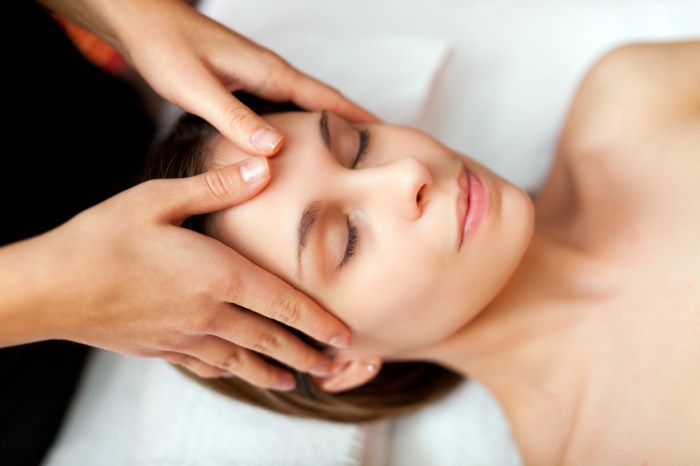
Picture this: you’ve had a long day, your muscles are tighter than a drum, and the thought of a warm blanket and a cup of tea just won’t cut it. Enter therapeutic massage, the superhero of relaxation that swoops in to save the day! It’s not just about pampering yourself; it’s about melting away stress, soothing sore muscles, and rediscovering your inner zen.
In this guide, we’ll explore various techniques like Swedish, deep tissue, and even the mysterious trigger point therapy. You’ll also learn how your body responds physiologically and how to become your own massage guru right in the comfort of your living room. Ready to unravel those knots and boost your well-being? Let’s roll up our sleeves and dive in!
Therapeutic Massage Techniques
Therapeutic massage is like a warm hug from the universe, where skilled hands knead away the tension, stress, and the occasional existential crisis. With various techniques to choose from, each style offers its own flair and benefits, leaving you feeling relaxed and rejuvenated. From Swedish to deep tissue, let’s unravel the magic behind these methods and their physiological wonders.
Swedish Massage
Swedish massage is often the gateway drug to the world of therapeutic massage. It utilizes long, flowing strokes and gentle kneading to soothe aching muscles and relax the nervous system. The primary techniques include:
- Effleurage: Long, sweeping strokes that are the gentle waves of massage, preparing the muscles for deeper work.
- Petrissage: Kneading movements that make your muscles feel like dough—squishy and delightful.
- Tapotement: Rhythmic tapping that can feel like a gentle rain on your back, stimulating circulation.
Deep Tissue Massage
Deep tissue massage is like a drill sergeant for your muscles—firm and focused, it targets deeper layers of muscle and connective tissue. This method is particularly beneficial for chronic pain and muscle stiffness. Key techniques include:
- Cross-Fiber Friction: Rubbing across the fibers of the muscle, breaking down knots like a hero in a romantic comedy.
- Slow Strokes: Deep, slow movements that work through layers of tension—think of a slow dance, but with your muscles.
- Static Pressure: Applying pressure to specific points, like a gentle reminder from your body that it deserves attention.
Trigger Point Therapy
Trigger point therapy is akin to being a detective for muscle discomfort. This technique identifies and releases tight knots, or “trigger points,” that create pain elsewhere in the body. Techniques used include:
- Ischemic Compression: Applying direct pressure to the trigger point to release tension—think of it as a mini negotiation between you and your muscle.
- Stretching: Gentle stretching of the affected area to improve mobility and decrease pain—like reminding your muscles to chill out.
Physiological Effects of Therapeutic Massage
The effects of therapeutic massage on the body are as profound as discovering a forgotten piece of chocolate cake. Physiologically, it can enhance circulation, reduce muscle tension, and promote relaxation. Here are a few effects:
- Increased Blood Flow: Massage encourages blood circulation, delivering nutrients and oxygen to muscles while flushing out waste products.
- Reduced Cortisol Levels: A massage can lower stress hormones, making you feel as light as a feather drifting on a warm breeze.
- Enhanced Flexibility: Regular sessions can improve range of motion, allowing you to finally touch your toes without feeling like a pretzel.
Performing a Basic Therapeutic Massage at Home
You don’t need to book a spa day to experience the bliss of massage; you can bring the relaxation home. Here’s a quick guide to performing a basic therapeutic massage:
- Set the Mood: Create a calming environment with soft lighting, relaxing music, and maybe a sprinkle of essential oils. Aromatherapy is your friend.
- Choose the Right Position: Make sure the recipient is comfortable; they can sit or lie down, whatever floats their boat.
- Warm-Up the Muscles: Start with gentle effleurage strokes to warm up the muscles before diving deeper—like easing into a hot tub.
- Focus on Tension Areas: Use kneading and squeezing techniques on areas that feel tense, such as the shoulders, back, and neck—think of it as giving your partner the royal treatment.
- End with Gentle Strokes: Finish with relaxing strokes to soothe the muscles and leave your guest feeling like they just stepped out of a cloud.
Health Benefits of Therapeutic Massage

Therapeutic massage is not just a luxurious treat; it’s a ticket to a healthier life! This hands-on approach to wellness can help tackle a plethora of health issues, ranging from mood disorders to hypertension management and overall well-being. It’s like a Swiss Army knife for your body—ready to assist with whatever ails you.
Mood Disorders Management
Therapeutic massage plays a crucial role in managing mood disorders, acting like a soothing balm for the often tumultuous waters of our emotions. Studies have shown that regular massage therapy can increase serotonin and dopamine levels in the brain, effectively helping to lift the fog of anxiety and depression. The following benefits highlight how therapeutic massage can positively affect mood disorders:
-
Reduction of cortisol levels:
Cortisol, commonly known as the stress hormone, can wreak havoc on mood. Massage therapy helps lower cortisol levels, promoting a sense of calm.
-
Enhanced relaxation:
Through various techniques, massage encourages muscle relaxation and eases physical tension, which can lead to improved emotional states.
-
Boosted endorphins:
Endorphins are the body’s natural painkillers and mood elevators. A good massage can pump up those feel-good chemicals!
Hypertension Management
Therapeutic massage offers a peaceful oasis for those grappling with hypertension. By promoting relaxation and reducing stress, it can help lower blood pressure levels significantly. Key points regarding therapeutic massage and hypertension include:
-
Improved blood circulation:
Massage enhances blood circulation, which can help reduce blood pressure over time, like giving your circulatory system a gentle workout.
-
Stress reduction:
Regular sessions contribute to lower stress levels, a major contributor to hypertension, allowing your heart to take a breather.
-
Mindfulness and breathing:
Many massage techniques incorporate mindful breathing and relaxation techniques, which play a vital role in managing hypertension.
Overall Health and Well-being
The benefits of therapeutic massage extend far beyond immediate relaxation; it fosters holistic health and boosts overall well-being. Regular sessions can lead to a lifestyle transformation, where the mind, body, and spirit unite in harmony.Consider the following impacts on overall health:
-
Immune system support:
By reducing stress and promoting relaxation, massage can enhance immune function, making you less susceptible to illnesses.
-
Improved sleep quality:
Many individuals report better sleep after massage therapy, which is crucial for overall health and recovery.
-
Pain relief:
Chronic pain conditions can be managed more effectively with regular massage, reducing the need for medication and enhancing quality of life.
Therapeutic Massage in Home Health Care
In the world of home health care, therapeutic massage isn’t just a luxury reserved for fancy spas; it’s becoming a key player in the quest for wellness right in the comfort of our homes. Imagine the soothing melodies of relaxation while addressing physical ailments—it’s like a symphony for your muscles! Incorporating massage techniques into home health routines can create a harmonious balance of care, offering both physical and emotional support to those in need.Creating a framework for integrating therapeutic massage into home health care routines requires careful planning and collaboration among caregivers, clients, and, of course, a dash of humor to keep spirits high.
The aim is to personalize massages to fit individual health needs while ensuring that every session feels less like a chore and more like a mini-vacation.
Best Practices for Incorporating Therapeutic Massage into Nursing Care
To seamlessly blend therapeutic massage into nursing care, here are some best practices that can transform an ordinary visit into a blissful experience:
Assessment of Client Needs
Begin with a comprehensive evaluation of the client’s medical history, preferences, and specific areas of tension. This ensures you don’t massage away their favorite sandwich from lunch instead of their shoulder pain.
Collaboration with Healthcare Professionals
Communicate with physicians and therapists to tailor massage techniques that complement the overall health plan. Teamwork makes the dream work, even when that dream involves kneading out knots.
Creating a Relaxing Environment
Set the stage for relaxation with soft lighting, calming music, and perhaps a scented candle or two. A little ambiance goes a long way—no one wants a massage that feels like they’re at a wrestling match!
Educational Component
Educate both caregivers and clients about the benefits of therapeutic massage. Knowledge is power, and understanding how massage helps can turn skeptics into believers—just like converting your friend who said they didn’t like chocolate.
Feedback and Adaptation
Encourage feedback after sessions and be prepared to adjust techniques based on what feels good or not. Think of it as a massage remix—keeping the good vibes flowing!
Common Misconceptions about Therapeutic Massage in Home Health Settings
Despite the growing popularity of therapeutic massage in home health care, many misconceptions still linger like a stubborn knot. Addressing these myths can pave the way for more widespread acceptance and understanding of this healing art. Here are some common misconceptions debunked:
Misconception
Massage is Only for Relaxation : While it’s true that massage can transport you to a place of zen, it’s also a powerful tool for pain relief and rehabilitation. It’s not just fluff; it’s functional!
Misconception
Massage Requires Extensive Training : Sure, it helps to have some training, but basic techniques can be learned by caregivers. With guidance, even your great-aunt Edna could give a decent back rub—not that we recommend it!
Misconception
Massage is Not Safe for All Patients : Many people believe massage isn’t suitable for certain health conditions. However, with proper knowledge and adaptations, it can be beneficial for a wide range of clients. It’s like finding the right outfit for the right occasion—just with fewer sequins.
Misconception
Therapeutic Massage is Only About Physical Touch : Therapeutic massage includes emotional and mental benefits as well. It’s an all-inclusive experience that supports holistic health—much like a well-rounded diet, but without the kale.
Misconception
Massage is a One-Size-Fits-All Solution : Different strokes for different folks! Each client is unique, and customized techniques should be employed to address individual needs and preferences. With these frameworks and clarifications in mind, integrating therapeutic massage into home health care can be a delightful, enriching experience for both caregivers and clients. It’s time to let those stress knots surrender to the gentle magic of skilled hands!
Last Recap
So there you have it—whether you’re looking to manage mood swings, tackle hypertension, or simply pamper yourself on a Wednesday, therapeutic massage is your go-to remedy. Remember, it’s not just a luxury; it’s a ticket to better health and happiness! Now, go forth and share the joys of a good rub-down with your friends, and who knows, you might just start a massage revolution!
Commonly Asked Questions
What should I wear during a therapeutic massage?
Loose-fitting and comfortable clothing is ideal, or you can opt for a towel if you’re going all-out!
How often should I get a therapeutic massage?
It really depends on your needs, but once a month is a great starting point for most people.
Can I receive a massage if I’m sick?
It’s best to wait until you’re feeling better, as your body needs to focus on healing—not on being kneaded!
Is therapeutic massage safe during pregnancy?
Yes, but be sure to find a therapist experienced in prenatal massage techniques for the best experience.
What if I don’t like the pressure during my massage?
Communicate with your therapist; they can adjust the pressure to your comfort level without any judgment!