Welcome to the whimsical world of Hypertension guidelines, where high blood pressure isn’t just a number, but a call to action! Imagine your arteries throwing a party to celebrate their health, and you are the guest of honor. In this delightful journey, we will unravel the mysteries of hypertension, tackle the latest management strategies, and sprinkle in some laughter along the way.
Hypertension, often dubbed the silent killer, is a sneaky condition that affects millions, yet many are unaware of its seriousness. With the latest guidelines hot off the press, we’ll explore how following these recommendations can transform lives, not just for patients but also for healthcare heroes. From home health care magic to zen-inducing meditation, get ready for an informative rollercoaster ride!
Hypertension Guidelines Overview
Hypertension, often humorously referred to as the “silent killer,” is not just a party crasher at your health soirée; it’s a significant player in the game of healthcare. This condition, characterized by elevated blood pressure, contributes to a plethora of health issues including heart disease, stroke, and kidney failure. Understanding hypertension and adhering to management guidelines is like keeping a bouncer at that party to ensure only the healthy guests get in.The most recent hypertension management guidelines offer a structured approach for diagnosing and treating this common condition.
These guidelines serve as a roadmap for healthcare providers, ensuring that both they and their patients are on the same page—like synchronized swimmers, but with less splashing and more data. The guidelines emphasize lifestyle modifications, medication management, and regular monitoring, equipping patients and providers to tackle hypertension head-on.
Definition and Significance of Hypertension
Hypertension is defined as consistently high blood pressure, generally at or above 130/80 mmHg. Its significance in healthcare cannot be overstated, as it affects nearly a third of adults in many countries. This condition can be likened to a high-maintenance houseguest; while it may not always be apparent, its presence often leads to significant issues that demand attention. The American Heart Association (AHA) and the American College of Cardiology (ACC) define elevated blood pressure in stages, underscoring the need for timely intervention.
“Hypertension is not just a number; it’s a lifestyle issue that impacts overall health.”
Overview of Latest Hypertension Management Guidelines
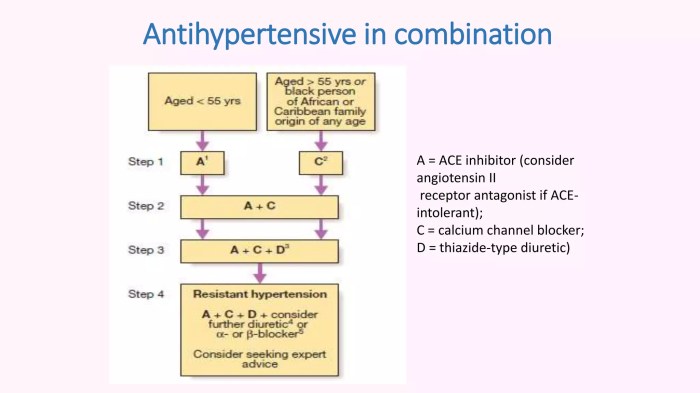
The latest hypertension management guidelines have been designed to streamline the approach to treatment and prevention. These guidelines are like a GPS for healthcare providers, leading them down the right path and avoiding traffic jams of confusion. Key recommendations include:
- Regular blood pressure monitoring: Patients are encouraged to check their blood pressure regularly, just like a daily coffee break—essential for keeping track of your health.
- Lifestyle modifications: Adopting a healthy diet, reducing sodium intake, engaging in regular physical activity, and managing stress are all highlighted as vital steps towards managing hypertension.
- Pharmacological treatment: When lifestyle changes alone aren’t enough, the guidelines recommend various classes of medications tailored to individual patient needs.
The guidelines advocate for a personalized approach, taking into account factors like age, comorbidities, and patient preferences. This personalized strategy helps healthcare providers craft a tailor-made treatment plan, ensuring that every patient gets the best possible care.
Importance of Following Guidelines for Patients and Healthcare Providers
Adhering to hypertension management guidelines is crucial for both patients and healthcare providers. For patients, following these guidelines means taking charge of their health, much like a conductor leading an orchestra—ensuring all the instruments play in harmony. For healthcare providers, these guidelines provide a framework that enhances the quality of care and improves patient outcomes.The benefits of compliance include:
- Improved health outcomes: Evidence shows that consistent adherence to guidelines can significantly lower the risk of heart disease and stroke.
- Enhanced communication: Clear guidelines foster better communication between patients and providers, leading to a more collaborative and effective treatment experience.
- Reduced healthcare costs: Prevention and early intervention can save significant costs associated with treating advanced hypertension-related complications.
Ultimately, the guidelines serve as a vital resource that empowers both patients and healthcare providers to navigate the complexities of hypertension with confidence and clarity.
Connection Between Hypertension and Home Health Care
Managing hypertension at home can feel like trying to juggle while riding a unicycle. Enter home health care services, the trusty safety net that catches you when the juggling balls (or blood pressure readings) go flying. With the right support, you can transform your home into a hypertension management haven that rivals any fancy clinic.Home health care services play a pivotal role in helping individuals manage hypertension.
These services can include regular visits from trained professionals, monitoring health metrics, and providing tailored educational resources designed specifically for your needs. Imagine having a health coach who not only has a heart of gold but also knows how to interpret your blood pressure readings like a seasoned pro. This support system can significantly reduce the risks associated with hypertension and empower patients to take charge of their health.
Role of Home Health Care Professionals in Patient Education
Home health care professionals are like the wise sages of the health world, equipped with knowledge and skills to enlighten patients on hypertension management. They offer personalized education that helps demystify hypertension and provides tools to tackle it head-on. Here’s how they assist in patient education:
- Customized Learning Plans: Tailoring educational resources based on individual needs, preferences, and understanding levels. It’s like having a spellbook specifically written for your hypertension journey.
- Blood Pressure Monitoring Techniques: Instructing patients on how to use home blood pressure monitors correctly, ensuring readings are accurate and reliable. The goal? To make that monitor your new best friend instead of a source of anxiety.
- Lifestyle Modification Guidance: Helping patients understand how dietary changes, exercise, and stress management can dramatically affect their blood pressure. Think of them as your personal wellness trainers, guiding you through the labyrinth of healthy living.
- Support and Motivation: Providing ongoing encouragement and support to help patients stay committed to their management plans. It’s like having a cheerleader, but without the pom-poms (unless you want them to bring some).
Monitoring hypertension at home is crucial for effective management. Home health care professionals assist in establishing methods that keep patients informed and proactive about their health. Regular communication about readings and progress fosters a sense of accountability that encourages patients to stick to their health regimes.
Methods for Monitoring Hypertension and Effective Lifestyle Changes
Tracking your blood pressure at home can be as easy as pie, especially when you have a solid plan in place. Here are some effective methods for monitoring hypertension and incorporating lifestyle changes:
1. Daily Blood Pressure Readings
Take your blood pressure at the same time each day to identify patterns and fluctuations. This routine can help you become a blood pressure whisperer.
2. Keep a Journal
Document readings, symptoms, and lifestyle choices to spot triggers or trends. This is your blood pressure diary—full of ups, downs, and the occasional “oops” moments.
3. Culinary Overhaul
Engage in a heart-healthy diet rich in fruits, vegetables, lean proteins, and whole grains. Consider it a delicious treasure hunt for the best foods that love your heart back.
4. Regular Exercise
Aim for at least 150 minutes of moderate aerobic activity each week. Whether it’s dancing in your living room or a brisk walk in the neighborhood, find a way to move that makes your heart happy.
5. Mindfulness and Stress Reduction
Incorporate mindfulness practices such as yoga or meditation to lower stress levels. Think of it as hitting the pause button in the chaos of life, giving your heart a chance to breathe.
“Consistent monitoring and lifestyle changes are the twin engines driving your journey towards better hypertension control.”
With the right support from home health care professionals and a commitment to monitoring and lifestyle changes, managing hypertension can be transformed from a daunting task into a manageable routine filled with positive choices and good vibes.
Integrative Approaches to Hypertension
Welcome to the delightful world of integrative approaches to hypertension, where we explore the art of keeping blood pressure in check without having to resort solely to medication. Imagine a symphony of relaxation techniques, lifestyle changes, and a sprinkle of humor – the perfect recipe for managing hypertension! Let’s dive into the marvelous realms of massage therapy, meditation, and the special relationship between men’s health issues and hypertension.
Impact of Massage Therapy on Hypertension Management
Massage therapy isn’t just for pampering yourself after a long week – it can also be a secret weapon against hypertension! Picture this: as a skilled massage therapist kneads away the knots in your shoulders, your blood pressure begins to dance downwards like it’s at a slow jazz concert. Studies have shown that regular massage can lower stress hormones and improve circulation, creating a harmonious balance that your heart will thank you for.
Reduces Stress
The gentle touch of a massage can lower cortisol levels, that pesky hormone that spikes during stressful times.
Improves Circulation
Enhanced blood flow means more oxygen and nutrients reaching your cells, making your body feel fresh as a daisy.
Promotes Relaxation
The soothing strokes can trigger the body’s relaxation response, leading to reduced heart rates and blood pressure.
Enhances Well-being
A good massage can elevate mood and create a sense of overall well-being, which is crucial in managing hypertension.
The heart’s rhythm is music; let massage be the gentle melody that keeps it in tune.
Meditation Practices Aid in Lowering Blood Pressure
In the quest for calming blood pressure, meditation practices swoop in like a caped superhero! Engaging in mindfulness and meditation can be more powerful than you might think. Not only does it help clear the clutter from your mind, but it also plays a pivotal role in lowering blood pressure levels.
Mindfulness Meditation
This practice focuses on being present and can significantly reduce stress and tension-related blood pressure spikes.
Deep Breathing Exercises
Taking slow, deep breaths can immediately activate the body’s relaxation response, leading to lower heart rates and blood pressure.
Guided Imagery
Visualizing peaceful scenes can transport your mind away from stressors, creating a serene environment for your body to relax and lower blood pressure.
Mindfulness is like a tranquil lake, reflecting the calmness that keeps hypertension at bay.
Men’s Health Issues Related to Hypertension
Men’s health issues often intertwine with hypertension, creating a tangled web that requires careful management. Factors such as obesity, lack of exercise, and high-stress levels can escalate the risk of developing hypertension among men. Understanding these connections is crucial for effective prevention and management strategies.
Obesity and Hypertension
Excess weight can increase blood pressure, making it essential for men to maintain a healthy body weight through balanced nutrition and exercise.
Stress Management
Men often feel societal pressure to be stoic, which can lead to untreated stress. Implementing stress relief techniques can mitigate hypertension risks.
Regular Health Screenings
Proactive health checks can catch hypertension early, allowing for timely intervention and lifestyle adjustments.
Taking care of your heart is not a sign of weakness; it’s a testament to strength.
Epilogue
As we wrap up this hypertension extravaganza, remember that managing your blood pressure doesn’t have to be a dull affair! With the right guidelines and a pinch of creativity, you can embrace a lifestyle that keeps your heart happy and your blood pressure in check. So grab your health toolkit, don your superhero cape, and step into the electrifying world of hypertension management!
FAQ Guide
What is hypertension?
Hypertension is a condition where the force of blood against the artery walls is too high, often leading to health hiccups.
How can I monitor my blood pressure at home?
You can use a digital blood pressure monitor, which is easy and convenient—just like ordering takeout!
Is medication the only way to manage hypertension?
Nope! Lifestyle changes like diet, exercise, and stress management can work wonders, often with fewer side effects than a sitcom.
Can stress really affect my blood pressure?
Are there foods I should avoid for better blood pressure?
Yes! Say goodbye to excess salt and processed foods, and hello to fruits, veggies, and the occasional dance with dark chocolate!


