Welcome to the wild world of Hypertension treatment, where blood pressure battles turn into epic showdowns! Think of it as a superhero saga where lifestyle changes, medicines, and maybe even a dash of meditation join forces to keep your blood pressure in check. Who knew managing hypertension could feel so much like a superhero adventure?
With an arsenal of treatments ranging from traditional meds to holistic healing, there’s something here for everyone. Whether you’re a fan of popping pills or prefer a zen moment to lower those numbers, we’re diving into the nitty-gritty of what works best to conquer those pesky pressure levels.
Hypertension Treatment Overview
Managing hypertension can feel like a high-stakes game of poker, where the cards are stacked against you. But fret not! There are various treatments available that can help you lower those blood pressure numbers and keep your heart happy. From lifestyle changes that make you feel like a superhero to medications that are like tiny bodyguards for your arteries, you’ve got options galore.The first step in treating hypertension is understanding the array of treatments available.
These can be broadly categorized into lifestyle modifications and medications. Each approach has its own benefits and can be tailored to fit your unique lifestyle and health goals. Below are the main types of hypertension treatments that can help keep your blood pressure in check.
Types of Hypertension Treatments
Managing hypertension typically involves a combination of lifestyle changes and medication. This two-pronged approach is often the best way to achieve those ideal blood pressure readings. Let’s dive into both aspects:
- Lifestyle Changes: These are the superstar players in your treatment plan. Simple adjustments like increasing physical activity, eating a balanced diet rich in fruits and vegetables, reducing sodium intake, and managing stress can significantly impact blood pressure levels. Imagine swapping out your afternoon chips for a crunchy apple; your heart will thank you!
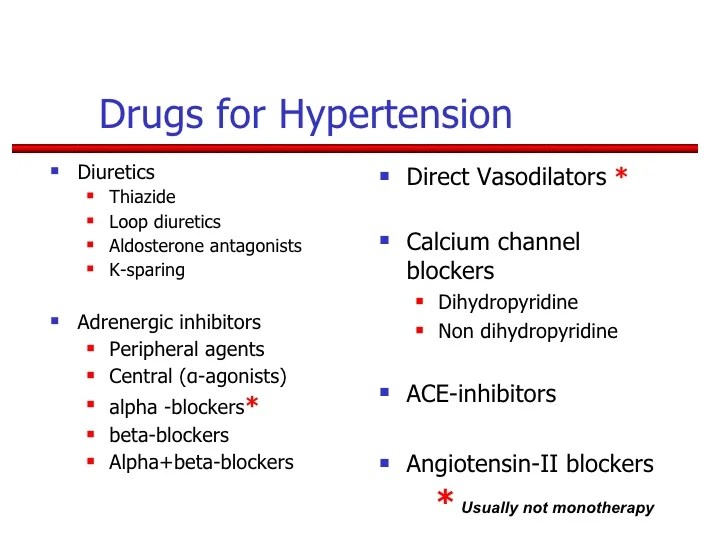
- Medications: When lifestyle changes alone don’t cut it, medications come in to save the day! Commonly prescribed medications include diuretics, ACE inhibitors, calcium channel blockers, and beta-blockers. Each of these medications has its own unique way of helping to reduce blood pressure. For instance, diuretics are known as “water pills” that help your body get rid of excess sodium and fluid, making your heart’s job a bit easier.
Lifestyle Changes for Hypertension Management
Adopting healthier habits can be as effective as a superhero’s cape in combating hypertension. Here’s how to incorporate lifestyle changes that can help manage your blood pressure:
- Regular Exercise: Aim for at least 150 minutes of moderate aerobic activity each week. Think of it as giving your heart a workout, just like you would when lifting weights—only this time, you’re lifting your spirits!
- Healthy Diet: The DASH diet (Dietary Approaches to Stop Hypertension) focuses on fruits, vegetables, whole grains, and lean proteins while limiting sugar and saturated fats. It’s like giving your body a five-star culinary experience, all while fighting high blood pressure!
- Weight Management: Maintaining a healthy weight can significantly lower blood pressure. Losing just 5-10% of your body weight can make a noticeable difference. It’s all about feeling light as a feather, both physically and mentally!
- Limit Alcohol and Quit Smoking: Reducing alcohol intake and quitting smoking can have tremendous benefits for heart health. Picture your arteries smiling and dancing when you cut back on these habits!
Common Medications Prescribed for Hypertension
When lifestyle changes aren’t enough, medications step up to the plate, ready to support your journey to better health. Here are some common medications that your healthcare provider might prescribe:
- Diuretics: Often known as “water pills,” these help your body eliminate excess sodium and fluid, thereby reducing blood pressure. Think of it as your body’s own little cleaning service!
- ACE Inhibitors: These medications work by relaxing blood vessels, making it easier for the heart to pump blood. It’s like giving your heart a comfy recliner to lounge in!
- Calcium Channel Blockers: By blocking calcium from entering the muscle cells of the heart and blood vessels, these medications help relax and widen the blood vessels. It’s like giving your arteries a little vacation at a tropical resort!
- Beta-Blockers: These help lower heart rate and blood pressure by blocking the effects of adrenaline. It’s akin to hitting the brakes on a speeding train, bringing everything back to a calm and steady pace.
Combining lifestyle changes with medications can be the key to effectively managing hypertension and ensuring a healthier future.
Home Health Care and Hypertension
Home health care for individuals with hypertension is like having a personal cheerleader who knows all the right moves. It provides the support needed to manage this silent yet feisty condition without the hassle of waiting rooms and stiff hospital chairs. With the right home care strategies, patients can take charge of their health while enjoying the comforts of home—perhaps while wearing fuzzy slippers and sipping herbal tea!Home monitoring of blood pressure has become the secret weapon in the battle against hypertension.
It turns out that keeping an eye on those numbers at home can lead to better treatment outcomes, like a superhero keeping an eye out for villains. Regular monitoring allows individuals to see the immediate effects of lifestyle changes, medication adherence, and even that sneaky salt in their favorite snacks. It offers real-time feedback, making adjustments easier and ultimately leading to a healthier heart.
Benefits of Home Health Care for Individuals with Hypertension
Home health care offers a plethora of benefits that can help individuals with hypertension manage their condition more effectively. Here are some key advantages:
- Personalized Care Plans: Home health care allows for tailored plans that cater to individual needs, taking into account personal preferences and lifestyle choices.
- Convenient Monitoring: Having healthcare professionals visit at home means blood pressure can be monitored in a comfortable environment, leading to more accurate readings.
- Education and Support: Professional caregivers can educate patients about hypertension and provide emotional support, making the journey less daunting.
- Medication Management: Caregivers can assist in managing medications, ensuring that patients stick to their prescribed regimens without the risk of forgetting a dose.
- Encouragement of Healthy Lifestyle Changes: Caregivers can motivate patients to adopt healthier habits, from diet changes to exercise routines, making the daunting task feel like less of a chore.
Home Monitoring of Blood Pressure Improves Treatment Outcomes
Monitoring blood pressure at home is akin to having a live scoreboard in a sports game—it keeps everyone informed of the current status and the progress being made. This proactive approach to health management fosters better communication with healthcare providers and encourages patients to take an active role in their treatment. Here’s why home monitoring is a game changer:
- Immediate Feedback: Patients can adjust behaviors and lifestyle choices based on the data collected, leading to timely interventions.
- Enhanced Communication: Regular monitoring enables patients to provide accurate data during doctor visits, facilitating informed discussions and adjustments to treatment plans.
- Increased Adherence: When patients see the impact of their lifestyle choices on their blood pressure readings, they are more likely to stick to their healthy habits.
- Early Detection of Issues: Home monitoring can catch spikes in blood pressure early, allowing for quick action before things escalate.
Guide for Caregivers on Supporting Hypertension Patients at Home
Caregivers play a vital role in helping hypertension patients manage their health effectively. Here’s a handy guide to ensure caregivers are well-prepared to support their loved ones:
- Understand the Condition: Familiarize yourself with hypertension, its symptoms, and treatment options to provide knowledgeable support.
- Encourage Regular Monitoring: Help set up a routine for daily or weekly blood pressure checks and maintain a log of readings for easy reference.
- Promote a Healthy Diet: Assist in meal planning that prioritizes low sodium, fresh fruits, and vegetables—perhaps even trying out that new quinoa salad recipe together.
- Facilitate Physical Activity: Encourage regular physical activity suited to the individual’s ability, such as brisk walks or gentle yoga, ensuring it’s enjoyable rather than a chore.
- Be a Motivational Buddy: Offer words of encouragement and celebrate small victories, whether it’s hitting a new blood pressure goal or resisting that slice of cake.
“Home health care transforms the daunting journey of managing hypertension into a supportive and empowering experience.”
Holistic Approaches to Hypertension Management
When it comes to managing hypertension, the pursuit of lower blood pressure can take many forms—some of them even involve a little pampering! While traditional medicine has its merits, holistic approaches provide a refreshing twist that can complement the usual prescriptions. Let’s dive into the world of relaxation, mindfulness, and alternative therapies, where stress melts away like butter on a hot summer day.
Role of Massage Therapy in Reducing Hypertension Symptoms
Massage therapy isn’t just for spa days or fancy occasions—it’s also a powerful tool for managing hypertension. By easing muscle tension and promoting relaxation, massage works wonders on your stress levels, which, in turn, can lead to lower blood pressure. Studies have shown that regular massages can help reduce cortisol levels, the pesky hormone that sends your blood pressure skyrocketing.
Imagine lying on a plush massage table while a skilled therapist works out those knots in your back. As the tension dissipates, your body releases endorphins, the feel-good hormones that make you want to do a happy dance—preferably not on the massage table though! Additionally, massage can improve circulation, enhance lymphatic drainage, and even boost your immune system. So next time you’re feeling the pressure, consider booking that massage appointment.
Your blood pressure will thank you, and who knows, you might just walk out of there feeling like a new person!
Impact of Meditation and Mindfulness on Blood Pressure Levels
Meditation and mindfulness are like the dynamic duo in the battle against hypertension. They offer a way to hit the pause button on life’s chaos and take a deep, cleansing breath—or five. These practices help to cultivate a state of relaxation that can significantly lower blood pressure. Studies have indicated that individuals who practice meditation regularly often experience reductions in both systolic and diastolic blood pressure.
In fact, even just a few minutes of focused breathing can create a ripple effect of calm throughout your entire system.Mindfulness encourages being present, which can reduce stress and anxiety. Imagine sitting quietly with your eyes closed, focusing on your breath, and letting your worries float away like balloons on a bright, sunny day. This mental clarity can lead to a heart healthier than ever, making meditation a valuable ally in your hypertension management toolkit.
Comparison of Traditional Medicine and Alternative Therapies for Hypertension
When it comes to treating hypertension, there’s a vibrant tapestry of options woven from traditional medicine and alternative therapies. Each has its own unique benefits and approaches, often complementing rather than competing with each other. Traditional medicine typically involves prescribed medications aimed at lowering blood pressure. While effective, these can come with side effects that might have you feeling like a science experiment gone wrong.
On the other hand, alternative therapies, including yoga, acupuncture, and herbal remedies, offer a more holistic approach. Let’s break it down in a side-by-side comparison:
| Criteria | Traditional Medicine | Alternative Therapies |
|---|---|---|
| Focus | Symptom management | Whole-body wellness |
| Method | Pharmaceuticals | Natural and lifestyle-based |
| Side Effects | Common | Minimal |
| Patient Involvement | Often passive | Highly active |
This table illuminates the key differences between the two approaches, highlighting how alternative therapies often empower individuals to take charge of their health. The best course of action may involve a harmonious blend of both, allowing for a comprehensive and personalized hypertension management plan.
“Health is a state of complete harmony of the body, mind, and spirit.” – B.K.S. Iyengar
Concluding Remarks
In conclusion, Hypertension treatment may seem like a daunting journey, but with the right tools in hand, you can navigate it like a pro! From lifestyle tweaks to medication magic and holistic healing, there’s no shortage of ways to keep your blood pressure in line. So go ahead, embrace your inner superhero and take charge of your health!
Common Queries
What is hypertension?
Hypertension, or high blood pressure, is a condition where the force of the blood against the artery walls is consistently too high. Think of it as a traffic jam in your blood vessels!
How can I naturally lower my blood pressure?
You can lower your blood pressure naturally by eating a balanced diet, exercising regularly, reducing salt intake, and managing stress with activities like yoga or meditation.
Are there any side effects of hypertension medications?
Yes, some common side effects may include dizziness, fatigue, or a dry cough. It’s always best to discuss potential side effects with your healthcare provider.
How often should I monitor my blood pressure?
It’s recommended to monitor your blood pressure at least once a week, or more frequently if your doctor advises it, especially if you’re on medication.
Can stress really affect my blood pressure?
Absolutely! Stress can lead to temporary spikes in blood pressure. So, finding your inner calm can literally help keep your numbers down!


